Choosing a cosmetics OEM manufacturer is the single most consequential decision most beauty brands make. Get it right, and you have a partner that scales with you — consistent quality, reliable lead times, and a formulation team that turns your ideas into sellable products. Get it wrong, and you pay for it in failed stability tests, missed launch dates, and inventory you cannot ship.
The hard part is that every factory’s website looks the same. Everyone claims GMP, everyone promises low MOQs, and every catalog shows the same white jars and amber dropper bottles. So how do you actually tell a capable cosmetics OEM manufacturer from a good brochure?
This guide gives you a practical checklist based on what actually matters when sourcing cosmetics manufacturing — the questions to ask, the documents to demand, and the warning signs that should stop a deal. Whether you are launching a skincare line, expanding a color cosmetics range, or switching suppliers, the same evaluation logic applies.

Why Your Choice of a Cosmetics OEM Manufacturer Matters More Than You Think
Your manufacturer is not just a supplier; they are embedded in your product quality, your regulatory exposure, and your brand’s reputation. A shade inconsistency across batches, a preservative system that fails challenge testing, or a missing CPSR report can each cost more than the entire margin on a launch.
There is also a switching cost. Once your packaging molds, formulas, and stability data are built around one factory, moving to another means redoing compatibility testing, re-registering products in some markets, and re-training your QC process. Brands that choose carefully once avoid this entirely.
So treat the selection process like a due-diligence project, not a price comparison. Here is the checklist to apply to every cosmetics OEM manufacturer on your shortlist.
1. Verify Certifications — Then Verify What They Cover
When you audit a potential cosmetics OEM manufacturer, start with the paperwork — but read it carefully.
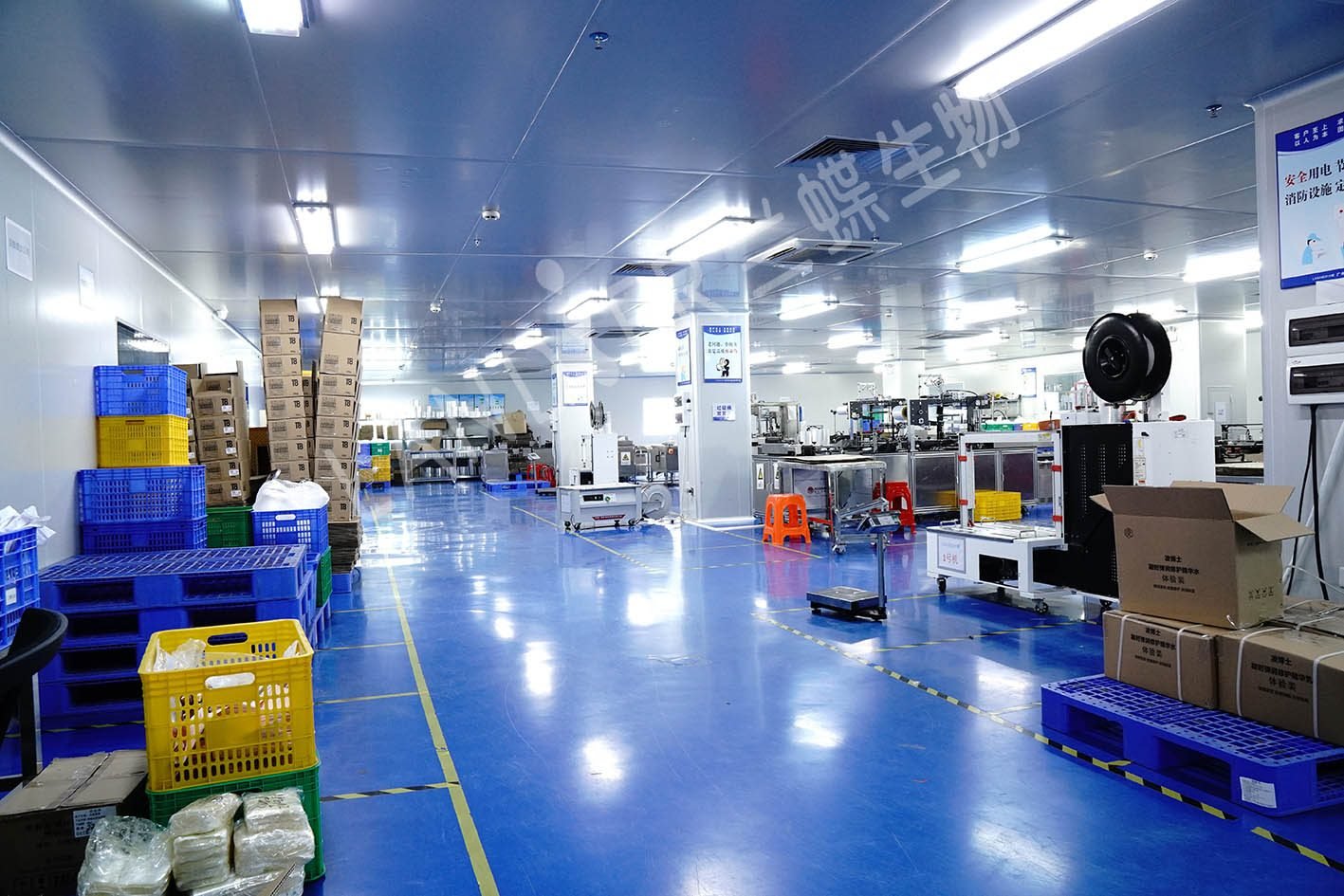
GMP ISO 22716 is the baseline for cosmetics manufacturing. It covers hygiene, traceability, batch control, and deviations handling. Ask for the certificate — and check the scope and expiry date. A certificate covering only one production building does not automatically cover the filling line your order will run on.
Other documents worth requesting:
- Business license and production license (for Chinese factories, the Cosmetics Production License issued by NMPA)
- ISO 9001 for general quality management, as a supplement rather than a substitute
- Testing reports for heavy metals and microbiology, ideally from third-party labs like SGS or Intertek, not only in-house results
If you sell into the EU, your manufacturer should be comfortable supporting a CPSR (Cosmetic Product Safety Report) and providing raw material documentation. For the US market, ask how they handle MoCRA facility registration support. A factory that goes quiet when you mention regulatory documents is telling you something.
2. Assess Real R&D Capability, Not Just a Catalog
Many OEM factories operate in one of two modes: they sell you a stock formula from a catalog, or they develop something custom. Both are legitimate — but they are different businesses, and you should know which one you are buying.
Ask these questions:
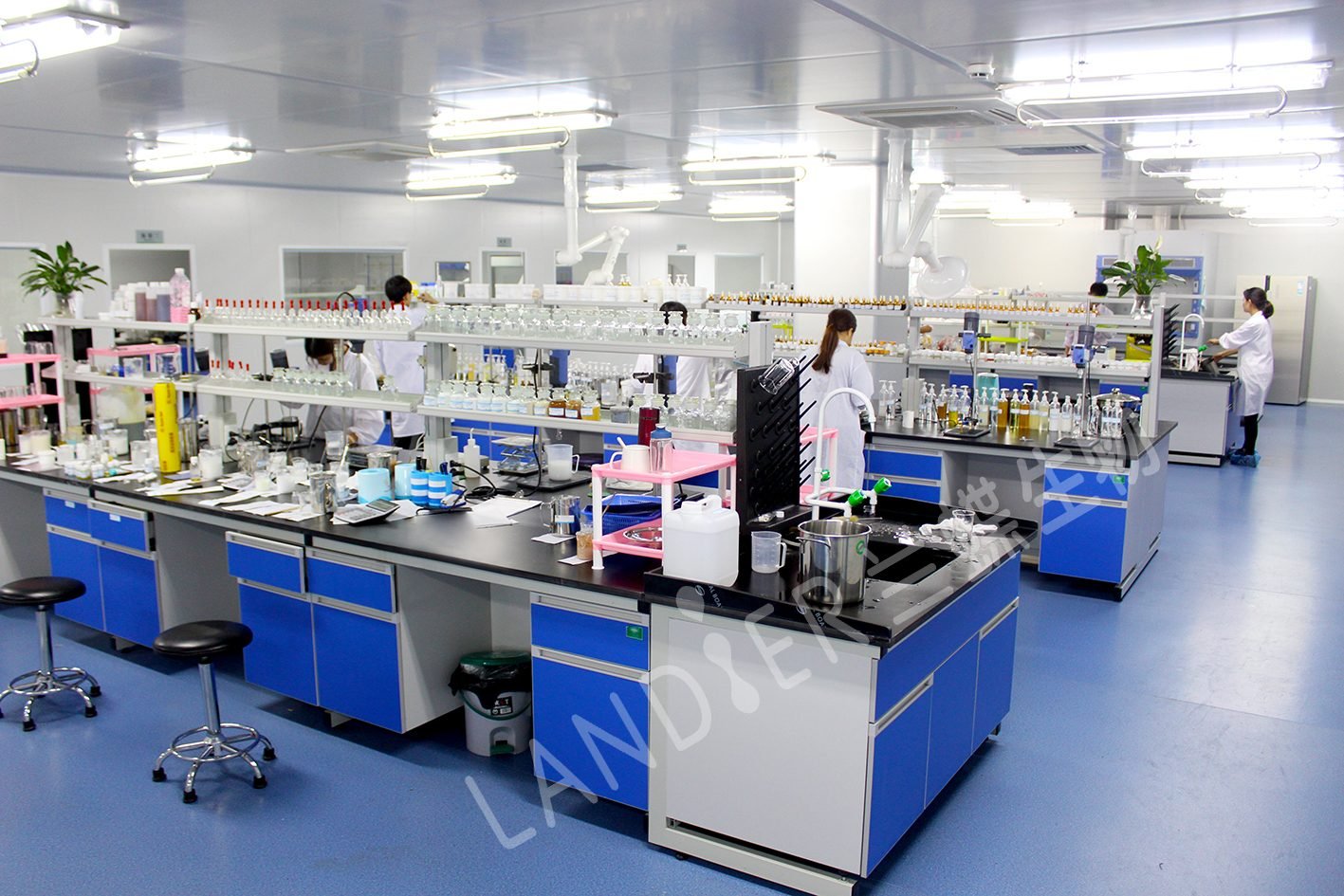
- Do you have in-house chemists? How many, and what is their background?
- Can you modify an existing stock formula (fragrance, actives, texture, color)?
- Do you run stability testing (accelerated and room temperature) and challenge testing (PET) on formulas? Is it included or billed separately?
- Can you provide the INCI list with percentages for the final formula?
A capable cosmetics OEM manufacturer will talk to you about preservative systems, pH ranges, and compatibility between your formula and your packaging — before you ask. A pure “catalog trader” will send you a PDF and ask when you want to pay.
3. Get Clear on MOQ, Pricing Tiers, and Payment Terms
MOQ (minimum order quantity) is where most first-time brand founders get surprised. The number itself matters less than what sits behind it.
A useful framework: ask the factory to quote three quantities — for example 1,000 / 5,000 / 10,000 units — and break the price into components:
- Raw materials and formula base
- Packaging (bottle, cap, pump, carton — and whether each component has its own MOQ)
- Filling and assembly
- Testing and documentation
This breakdown tells you where the real MOQ comes from. Usually it is packaging: a custom-printed glass bottle might require 5,000 units, while the filling line could handle 500. If your budget is small, an experienced cosmetics OEM manufacturer will suggest semi-custom solutions — stock packaging with custom labels, or customizable secondary packaging — to get you to market faster.
On payment, the common term for a first order is 30% deposit and 70% balance before shipment. Be cautious with any supplier demanding 100% upfront on a first order with no track record between you.
4. Judge Samples Properly
Sampling is the most informative stage of the entire evaluation, and also the most rushed. Slow down here.
A serious cosmetics OEM manufacturer will offer:
- Stock formula samples quickly and cheaply, so you can evaluate their base quality
- Customized samples in 7–15 working days depending on complexity, with a clear quote for the sampling fee and whether it is credited against your first bulk order
When you receive samples, evaluate like a consumer would — but also check the things consumers never see:
- Does the texture, scent, and color match what you discussed, including after two weeks on a windowsill?
- Is the fill level consistent? Is the batch code printed or stamped cleanly?
- If it is color cosmetics, do shades match your agreed Pantone references under different lighting?
- Did the packaging survive the journey, or did pumps leak and caps scratch?
Write down every revision point and send it in one consolidated list. Factories judge buyers by how organized they are too — and the good ones prioritize clients who communicate clearly.
5. Pressure-Test Lead Times and Capacity
Ask the factory to walk you through a realistic timeline for your product, stage by stage:
- Formula confirmation and sampling
- Packaging production (usually the longest pole — 20–35 days for custom components)
- Bulk production and filling
- QC and batch testing
- Export documentation and shipping
Then ask the question that matters: what happens when your order conflicts with a bigger client’s order? Factories all have peak seasons. A good answer includes realistic capacity numbers, transparency about the production calendar, and a commitment — ideally in writing — to your confirmed delivery window.
A useful trick: ask for the lead time twice, in different conversations. If the numbers do not match, you have learned something about how this factory quotes.
6. Evaluate Communication Before You Evaluate Anything Else
In practice, more relationships with a cosmetics OEM manufacturer fail because of communication than because of chemistry. Pay attention to how the sales engineer handles your first ten questions:
- Do they answer the question you asked, or send a template?
- Do they flag problems proactively (“this pump is not compatible with high-oil formulas, consider option B”)?
- Do they understand your market — EU claims rules, US label requirements, Middle East halal considerations — or at least know who internally does?
One practical test: send a moderately technical email and see whether the reply comes from someone who understood it. If your day-to-day contact cannot translate between your brand goals and the factory floor, every problem downstream gets more expensive.
Red Flags That Should Stop the Deal
- No factory visit or video audit possible. Any legitimate cosmetics OEM manufacturer can arrange a live video walk-through of the production floor within days.
- Prices far below every other quote. In cosmetics, a suspiciously low price usually means shortened filling steps, downgraded raw materials, or rejected stock from another client.
- Reluctance to share test reports or certificates, or documents that look edited.
- Vague answers on who owns the formula. Clarify in writing: for custom development, you should own or at least have exclusive rights to the formula you paid to develop.
- No written QC standard. Ask for their AQL inspection criteria and what happens when a batch fails — rework, discount, or replacement.
A Simple Way to Compare Every Cosmetics OEM Manufacturer on Your Shortlist
Put your top three candidates side by side and score them on five axes: certifications and compliance support, R&D responsiveness, pricing transparency, sample quality, and communication. Weight communication heavily — it predicts how every future problem will go.
Then place a small trial order, even if you plan bigger volumes. A trial order reveals everything a quotation cannot: real lead time, real packaging quality, real documentation, and how the factory behaves when something goes wrong.
Final Thoughts
The best cosmetics OEM manufacturer for your brand is not the biggest one or the cheapest one — it is the one whose capabilities, certifications, and communication style match your stage and your market. Brands that invest two or three weeks in structured evaluation at the start consistently avoid the expensive failures that come from choosing on price alone.
If you are evaluating a cosmetics OEM manufacturer for a skincare or color cosmetics line, we are happy to share our certifications, sample our formulations, and walk you through our production process by video — before you commit to anything. Contact us for a free quote and sample policy.
Related: a shortlist is only half the job. Our follow-up guide covers how to verify a cosmetics factory before ordering — document checks, video audits, third-party testing, and the red flags that should stop an order.
Related: when shortlisting suppliers, remember that packaging — not the formula — usually decides your minimum order. Our guide explains why packaging sets your MOQ, and how stock, printed and custom components change the number.
Once you have shortlisted suppliers, our complete guide to private label skincare manufacturing walks through models, MOQs, timelines and compliance from brief to launch.
Written by Jiawei Liu, Marketing Manager (7 years in cosmetics contract manufacturing). Technically reviewed by Zhanghui Chen, R&D Director. Last reviewed: 2026-10-28.